Rotary Furnace Systems
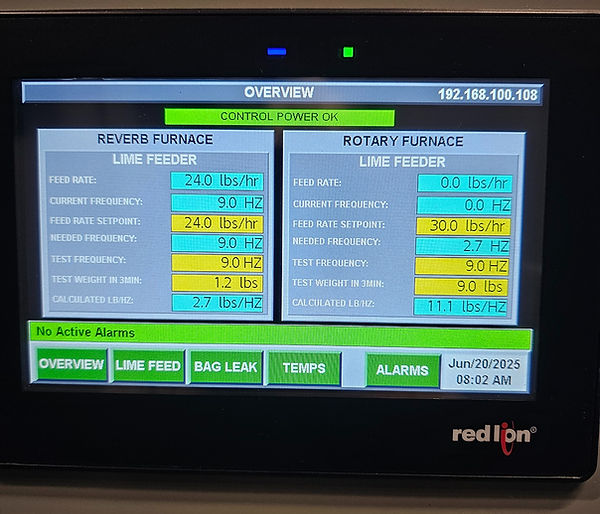
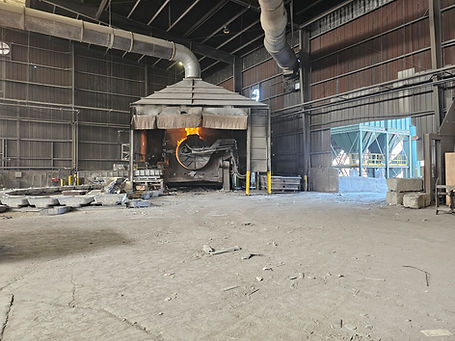
Winding River Controls provides a complete packaged control system for a Tilting Rotary Aluminum Melt Furnace. Our systems may include:
-
Elevated Control Room
-
Main Operator Console including radio remote control, HMI, and/or pushbutton options
-
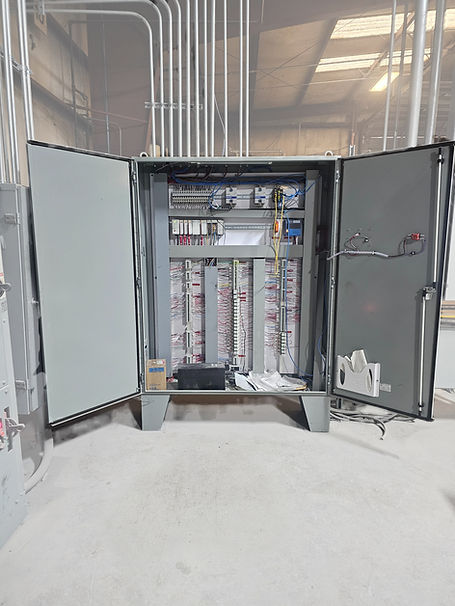
Main PLC Panel
-
Fuel Flow Skid - see the Fuel Train section for further detail
-
Lime Feeder
-
Baghouse Pulsing Panel
-
Furnace Junction Box
-
Tilt Limit Switches
-
Door Limit Switches
-
Main Motor Control Center (MCC)
-
Baghouse Fan Soft Starter
-
Rotation VFD
-
Hydraulic Power Units
-
Proper safety features including manual or HMI control options
-
Pre-commissioning, programming, commissioning, and remote support
-
System control drawings to aid field contractors


Reverb & Holding Furnace Systems
WRC has previously provided the following equipment for reverb or holding furnace operations:
-
480V power panel and enclosure
-
HMI and PLC pre-programming, commissioning, and remote support
-
VFD ethernet system for Combustion Air
-
HPU Pump Motor Controls for door movement
-
Air/Gas Instrumentation - see Flow Skid section for further details
Oxy/Fuel Fuel Trains
Oxy/Fuel Skids include the necessary gauges and sensors to monitor and control the flow of pure oxygen. WRC's skids typically accept 15-30 psi Natural Gas and 100-150 psi Oxygen supply lines, meter the flow, provide safety shutoff valves, and send controlled gas streams to furnace burners. Choosing an oxy/fuel system can boost efficiency and speed while reducing emissions. It is best for high production needs. WRC can meter flow rates of virtually any size, but most skid sizes feed burners that are rated between 2 and 20mmbtu/hr.
WRC's expertise in constructing fuel trains includes:
-
Design an installation of independent PLC controls that allow for customizable ratios and production optiomization
-
Selection and installation of components
-
Prepping, painting, and assembling conduit
-
Welding and fabrication of structural elements
-
Familiarity with operation and safety protocols



Air/Gas Flow Skids
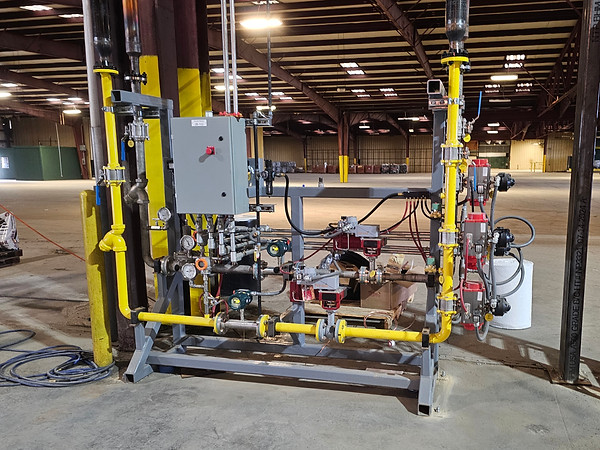
Air-gas systems are a cost-efficient method for lower-temp and smaller-scale operations. WRC's trains typically accept 15-30 psi Natural Gas and pressurize combustion air using an industrial blower. They utilize outside air, negating the cost of pure oxygen and decreasing the need for specialized high-temp equipment.
WRC's trains most commonly feed burners between 2-20MMBTU and often have branch systems for multiple furnaces. They meter the flow, provide safety shutoff valves, and send controlled gas streams to furnace burners.
WRC's expertise in constructing fuel trains includes:
-
Design an installation of independent controls via a PLC for customization and optimization
-
Selection and installation of components
-
Prepping, painting, and assembling conduit
-
Welding and fabrication of structural elements
-
Familiarity with operation and safety protocols
Crucible Heat Stations
Crucible Heat Stations allow for simultaneous melting at multiple crucibles. WRC has fabricated for groups of three or four crucibles. Our services include:
-
Design and fabrication of structure to meet spatial considerations
-
Design and wiring for controls and enclosure
-
Design and Fabrication of Combustion Air Piping
-
Design and Assembly of Natural Gas Control Components
-
Prepping, painting, and installation of conduit
-
Familiarity with industry-standard burner components
-
Safety protocols and operation literature
-
Spare Parts


Ingot Casting & Stacking Controls
Winding River Controls is knowledgeable in many areas of the aluminum production and secondary aluminum recycling processes, including the management of ingots and sows.
WRC has designed various Sow Handling Equipment Systems. Services include:
-
Design and assembly of wiring for PLC controls
-
Design and configuration for HMIs
-
Manual push-button and digital-based designs

Operator Stations
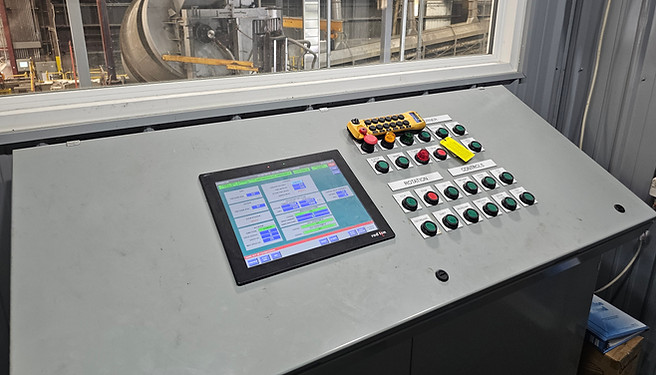
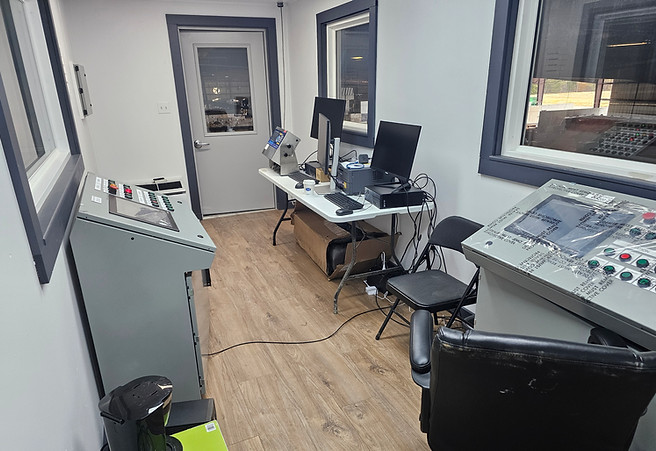
WRC's Operator Stations are a crucial part of many our controls offerings. Designed to the customer's needs, these stations include:
-
Various sizes of HMIs to display data and allow for quick adjustments or alarm response.
-
Indicators for crucial safety and process functions.
-
Manual control components such as switches, push-buttons, and joy-sticks.
-
E-Stops for the station or other equipment.
Lime Feeder Systems
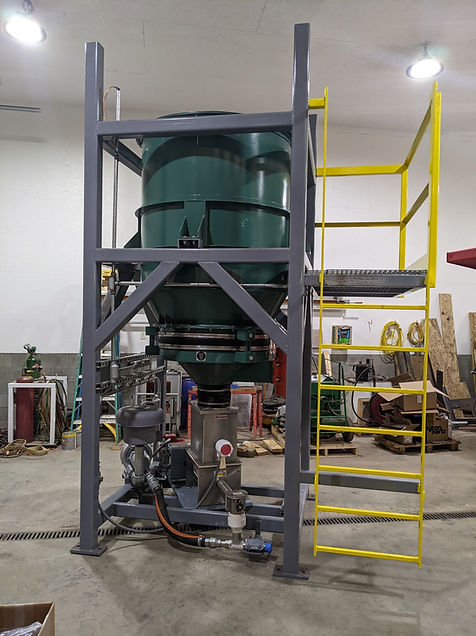
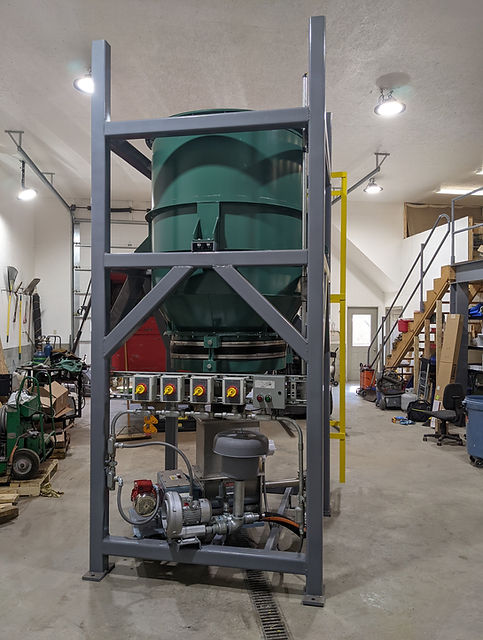
WRC fabricates three different Lime Feed Systems.
Bulk Tank Lime Feeder System
-
Lime is a stored in a tall tank (60,000 lb is typical)
-
Multiple lime feeders can be added to discharge to multiple furnaces
-
Feed rates from nearly zero to hundreds of pounds per hour are possible
-
Monitoring Options:
-
Simple manual calibration
-
Loss of wight systems
-
Particle density monitoring systems
-
Super Sack® / Bulk Bag Systems
-
A bulk bag of lime is raised to the top of a day bin system which feeds to an active bottom hopper
-
Bottom hopper feeds into a lime feeder which drops lime into an eductor.
-
Lime is carried to the furnace ductwork with a high pressure blower or positive displacement air pump
-
Feed rates from nearly zero to hundreds of pounds per hour are possible
Small Bag Systems
-
These systems look like portable cement mixers.
-
Individual bags are dumped into the top of the feeder which drops lime into an eductor.
-
Lime is carried to the furnace ductwork with a high pressure blower or positive displacement air pump
-
These systems are generally used for a feed rate less than 30-50 lb/hr.
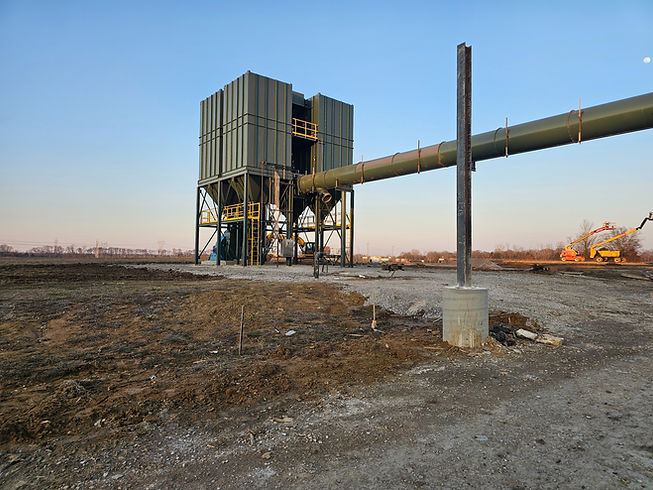
Environmental Monitoring
Tracking emissions and disposal is crucial to keep your company within industry protocol. WRC provides a complete solution to monitor and record process data to be used for environmental reporting.
WRC's system is PC based and uses a special instance of Microsoft Excel to record and display data, providing a user friendly setup and experience.
Monitoring services include:
-
Design, installation and configuration of computers, software, and enclosures
-
Design and configuration of HMIs to make viewing easier
-
Programming software to communicate reports at the frequency and via the channels desired
-
Additional sensors, wiring, and conduit as outlined within the scope of a proposal
-
Remote assistance and maintenance